The back story
Rose petals and rooibos espresso: Cape Town’s café culture, the back story
From a pink hotel’s tea lounge to warehouse roasters: how Cape Town learned to take its coffee.

Photo Credit
Image courtesy of © Pavel Špindler · CC BY 3.0 via Wikimedia CommonsCape Town drinks its tea under chandeliers and its coffee in old warehouses, often on the same morning. Why does a city with a grand-hotel tea tradition take its espresso so seriously? Here is the story, from the Mount Nelson’s Lounge and the red bush of the Cederberg to the roasters of De Waterkant and Bree Street, checked against the hotels’, roasters’ and rooibos industry’s own pages in November 2026.
A lounge painted for peace
Cape Town’s grandest cup is still poured in pink. The Mount Nelson opened as a luxury hotel in 1899 and was painted pink in 1918, at the end of the First World War, as a symbol of peace; it has kept the same shade ever since. The site began as a family homestead of 1843, which is why the hotel sits in nine acres of garden in Gardens, below the mountain.
Afternoon tea is served daily in the Lounge, from 11am to 3pm, to live piano. The hotel lists over 60 loose-leaf and flowering teas, plus local infusions of buchu, rooibos and honeybush, and a tea sommelier, Craig Cupido, to steer you through them. The house blend is scattered with pink rose petals, which seems only fair in a pink hotel. It costs R650 a head (R350 for children under 12), and the dress is smart casual.
The red bush from the mountains
Half of that tea list grows on the doorstep. Rooibos is a fynbos plant native to the Cederberg, and strictly speaking it is not a tea at all but a tisane of dried leaves. The European botanist Carl Thunberg reported on the plant and its brew in 1772, and in 1904 a Russian immigrant, Benjamin Ginsberg, became its first exporter. Commercial cultivation began in the 1930s.
Its industry body notes two further turns. Rooibos was the first African food to win Protected Designation of Origin status from the European Union. And in 2006 a rooibos-based espresso reached the coffee shops: the ritual of the espresso machine, without the coffee.
The warehouse roasters
The coffee revolution came later and arrived by warehouse. Origin Coffee Roasting dates its start to late 2005, roasting from a working warehouse and opening its café at 28 Hudson Street in De Waterkant. Its barista academy, since handed to the African School of Coffee, has qualified some 3,500 baristas by its own count. A good share of the city’s flat whites, in other words, were taught on Hudson Street.
Truth Coffee Roasting, co-founded by Andrzej Janik and David Donde, dressed its city-centre café in the steampunk style. Its flagship Resurrection Blend draws beans from Brazil, Ethiopia, Guatemala and India. Rosetta Roastery went the other way. Founded in 2010 by Jono Le Feuvre, Rob Cowles and Jeff van Aswegen, who had shared a house and a band, it keeps no house blend, and likens coffee to orchids rather than aspirins.
The house blend is scattered with pink rose petals, which seems only fair in a pink hotel.
Two teas and a counter
So why does a tea-drinking city take its espresso so seriously? Because the two rituals answer different hours. The grand hotels kept the long, seated afternoon; the roasters, working from old commercial buildings, built the quick standing morning around them. Rosetta’s café at 97 Bree Street, on the corner of Shortmarket Street, has a filter brew bar; Deluxe Coffeeworks pours on Buitenkant Street until 1pm at weekends.
The harbour keeps a second tea. Cape Grace serves afternoon tea at Heirloom from Thursday to Sunday, with seatings from 1.30pm to 3pm, a pianist and a welcome drink, at R650 a head; the hotel advises booking well ahead. For a working breakfast between the two, Hemelhuijs on Waterkant Street opens from 9am, until 4pm on weekdays and 3pm on Saturdays.
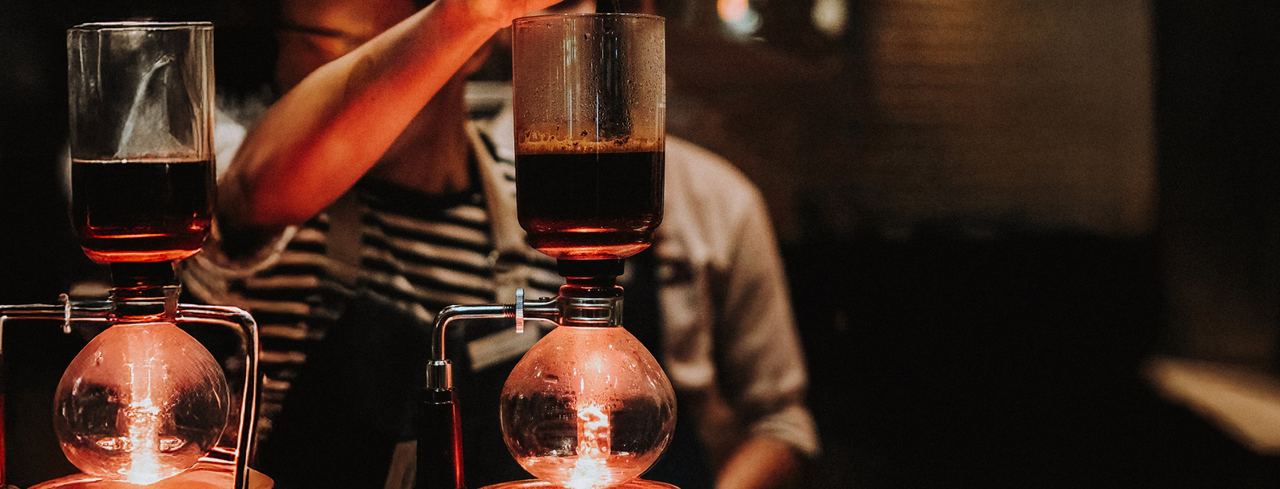
Photo Credit
Image courtesy of © Origin Coffee RoastingThe farm stall belongs in the story too. Oranjezicht City Farm began in 2012 as a small community food garden on Upper Orange Street, and its market of growers and cooks moved on 6 December 2025 to the corner of Granger Bay Boulevard and Dock Road at the V&A. It trades on Saturdays (8am to 2.30pm), Sundays (8.30am to 2.30pm) and on Wednesday evenings from 4pm to 9.30pm, except in June and July. Coffee in the open air, with a carrot on the side.
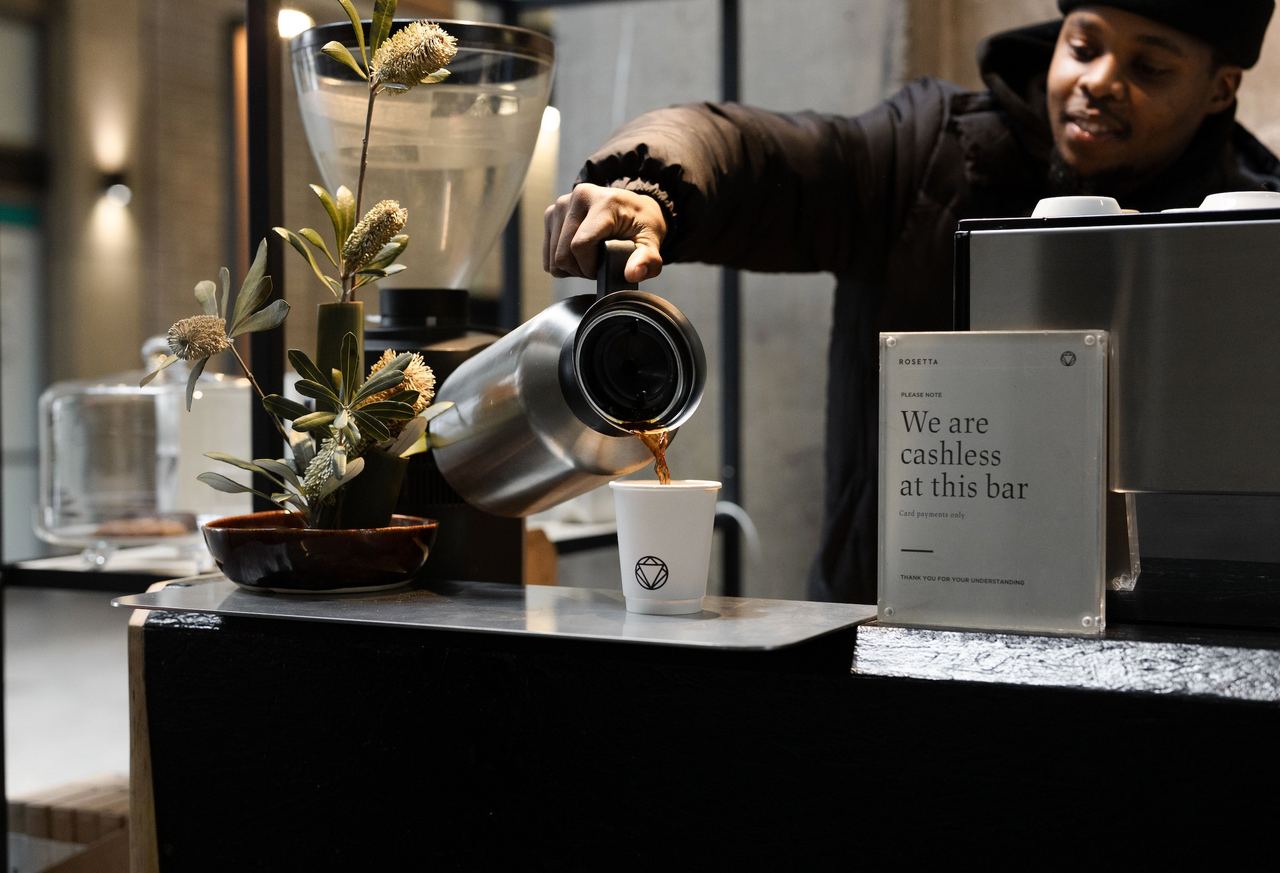
Photo Credit
Image courtesy of © Rosetta RoasteryOur advice: take coffee at a roaster’s counter in the morning, when the beans are freshest and the queues kindest, and save the Mount Nelson for a long afternoon. Book either tea in summer, ask for rooibos at least once, and leave room for the scones.
Why it's on our list
- A lounge painted for peace
- The red bush from the mountains
- The warehouse roasters
- Two teas and a counter
Location
The map comes from Google Maps, which sets its own cookies once it loads.
More in depth
 The back storyThe Constantia Wine Route: Cape Town’s Own VineyardsVin de Constance, Groot Constantia and the wine farms of Constantia Nek, inside the city.
 The back storyWhere Cape Town sleeps: the harbour, the mountain and the seaSilo glass pillows, a pink hotel and cliff villas: where to stay.
 The back storyA mountain, an island and two oceans: Cape Town’s great sightsTable Mountain, Robben Island, Kirstenbosch and Cape Point.